TL;DR - Quick overview
-
.png) The 3 inputs that matter most (work, people, rates)
The 3 inputs that matter most (work, people, rates)
-
A weekly rhythm that keeps plans realistic
-
The core metrics: utilisation, capacity, revenue
-
A 30-day rollout plan you can start today.
On this page

John Smith
Lorem ipsum dolor sit amet, consectetur adipiscing elit, sed do eiusmod tempor incididunt ut labore et dolore magna aliqua. Ut enim ad minim veniam, quis nostrud exercitation ullamco laboris nisi ut aliquip ex ea commodo consequat. Duis aute irure dolor in reprehenderit in voluptate velit esse cillum dolore eu fugiat nulla pariatur. Excepteur sint occaecat cupidatat non proident, sunt in culpa qui officia deserunt mollit anim id est laborum.


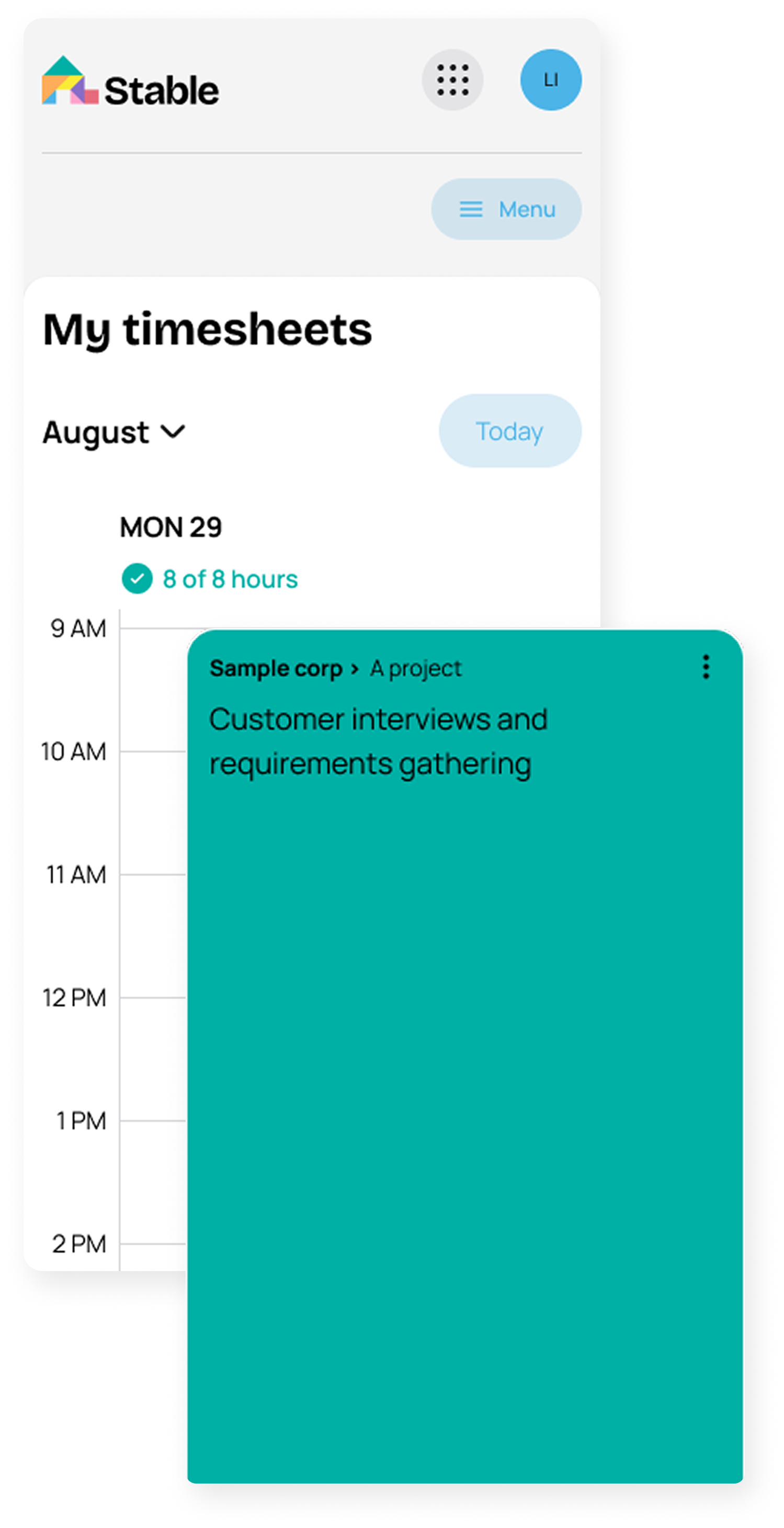
Get the inputs right
- Work: planned and unplanned projects (scope, dates, budget)
- People: availability by role, planned leave, skills
- Rates: client/role rate cards and billing rules
 Pro tip: Track non-billable work explicitly - don’t hide it in “admin”.
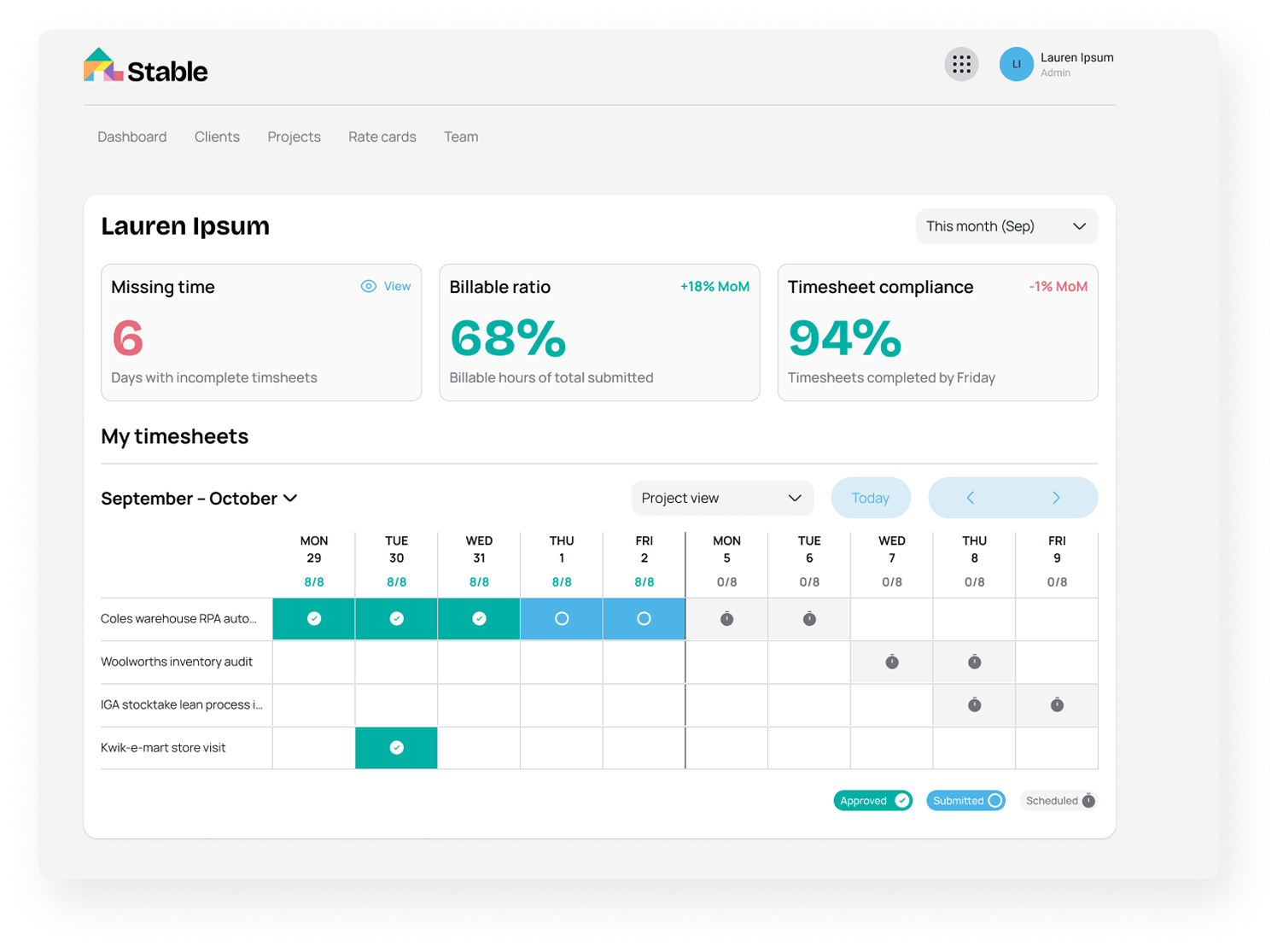
The weekly rhythm
- Monday: update demand (projects, changes, new requests)
- Tuesday: update supply (availability, leave, hiring pipeline)
- Wednesday: reconcile gaps (over/under-allocation)
- Thursday: confirm with leads (project owners & finance)
- Friday: publish next-week view + exceptions
Outcome: everyone sees the same plan—no surprises.
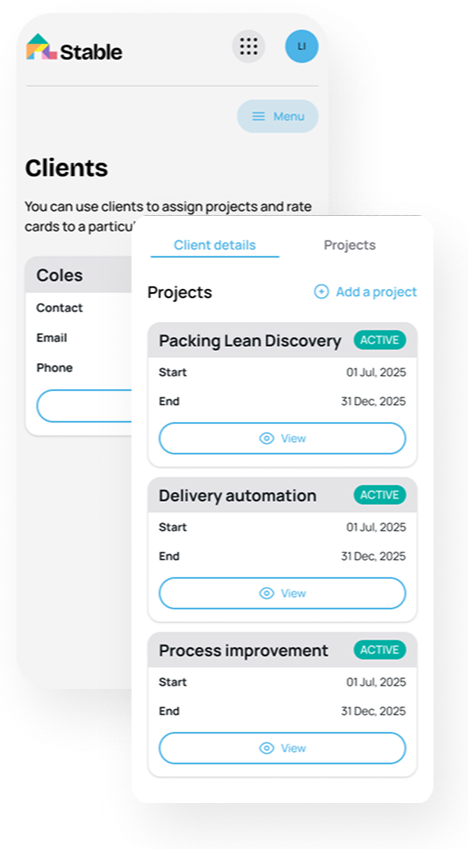
Metrics that actually
drive decisions
- Utilisation (%): billable hours ÷ available hours
- Capacity gap: available hours – forecast demand
- Revenue at risk: scope remaining × probability of delay
Common pitfalls (and fixes)
- Spreadsheets sprawl: move to a single source of truth
- Late timesheets: adopt daily/weekly nudges + quick approvals
- Phantom availability: account for meetings, pre-sales, training
- No rate hygiene: lock rate cards and approvals
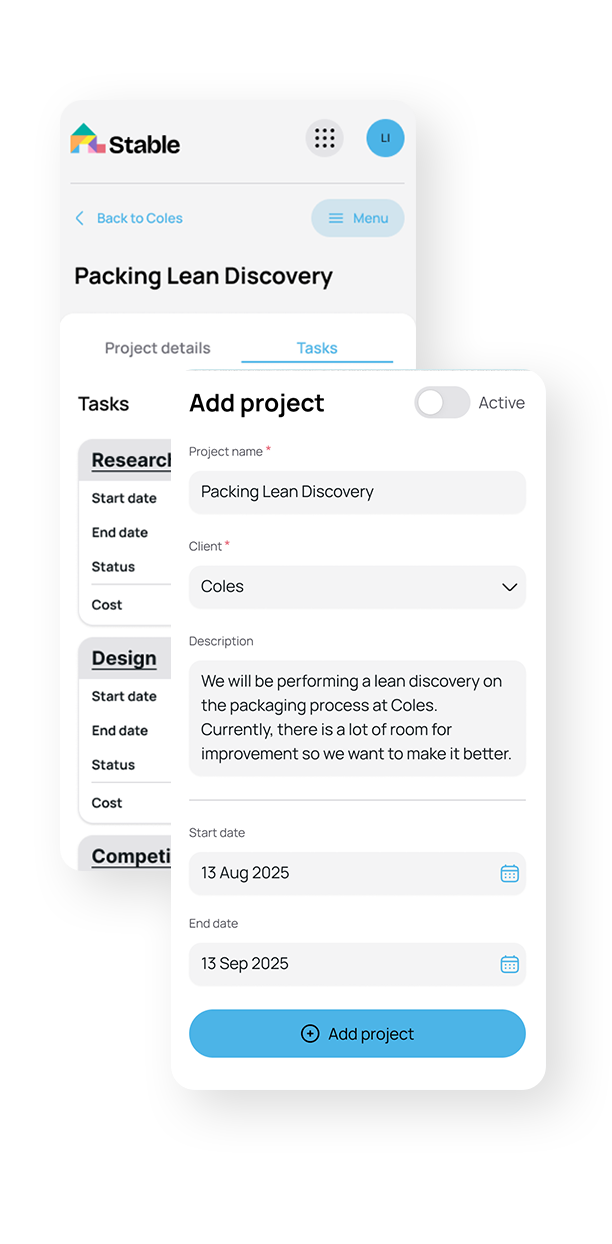
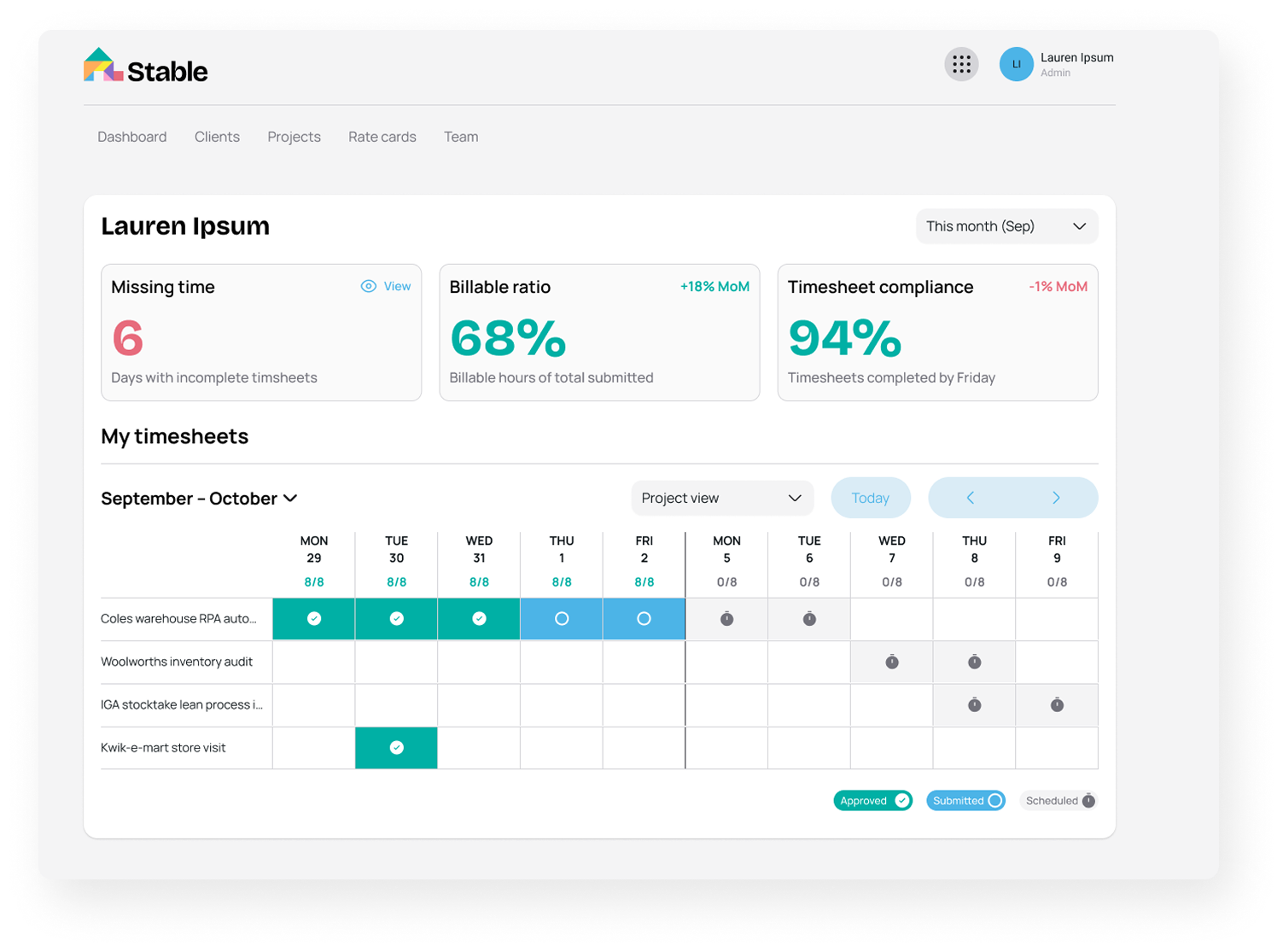
30-day rollout plan
- Week 1: capture projects, people, rates; define timesheet cadence
- Week 2: publish first forecast; fix obvious over-allocation
- Week 3: integrate accounting; test approvals & billing flow
- Week 4: review accuracy; set the weekly rhythm; agree KPIs

Simple checklist
- Project list with scopes/dates
- People availability & leave
- Role/client rate cards
- Timesheet cadence & nudges
- Weekly review meeting set
- Accounting sync enabled
Related content

GROWTH MARKETING
The Most Common Problems of Building a Growth Strategy
Growth doesn't happen by accident. And, if it were easy, no company would ever go out of business. The harsh reality is that most companies do go out of business for...
Read more
GROWTH MARKETING
The Most Common Problems of Building a Growth Strategy
Growth doesn't happen by accident. And, if it were easy, no company would ever go out of business. The harsh reality is that most companies do go out of business for...
Read more
GROWTH MARKETING
The Most Common Problems of Building a Growth Strategy
Growth doesn't happen by accident. And, if it were easy, no company would ever go out of business. The harsh reality is that most companies do go out of business for...
Read more



